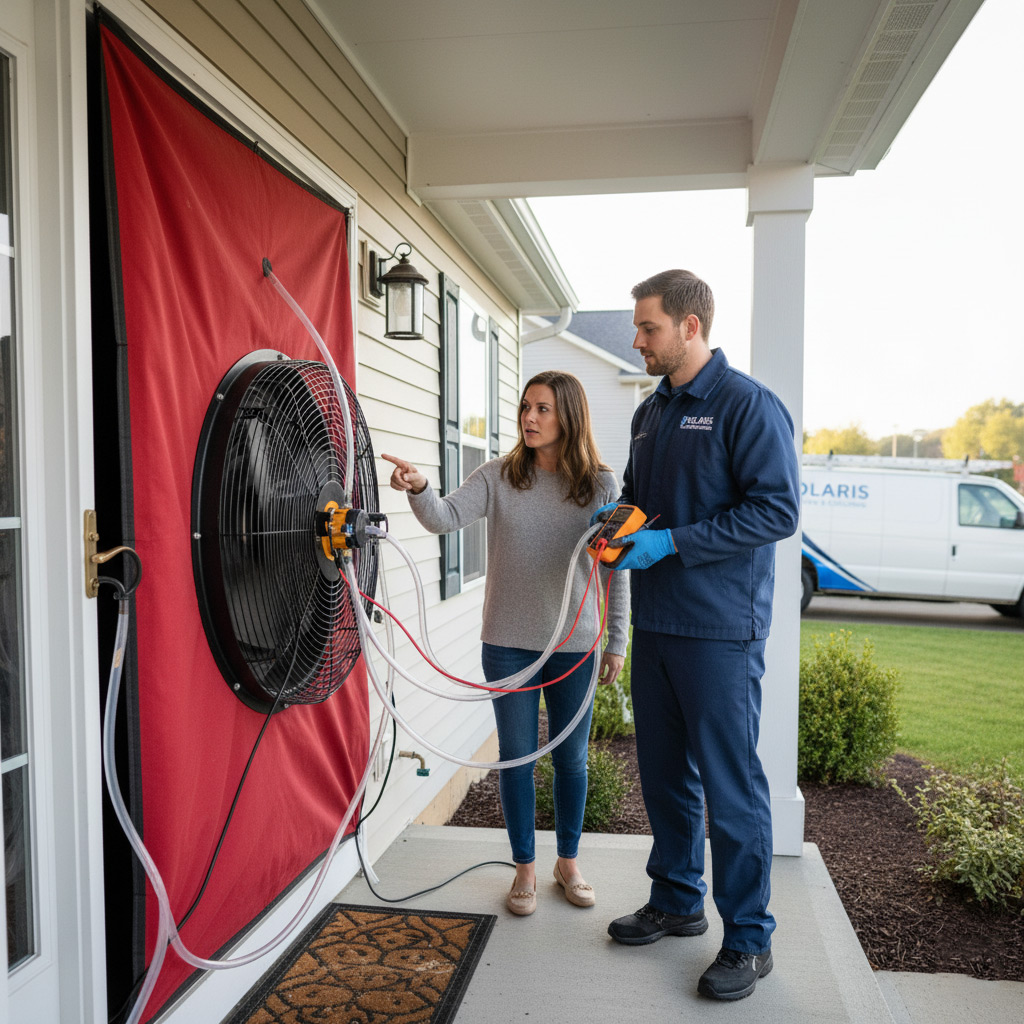
Your ancient furnace just coughed its last wheeze, or maybe your AC unit is rattling like a loose trolley on Broad Street. Now you’re staring at two options: throw more money at a dying system, or bite the bullet for a new one.
Most homeowners in Newark face this gut-wrenching decision, often blindly hoping for the cheapest fix. But here’s the untold truth nobody tells you straight: "cheapest" isn't always "smartest," especially when it comes to your home comfort and wallet.
You’ve probably heard conflicting advice, felt the pressure of a quick patch-up, or wondered if you’re just pouring good money after bad. We’re about to peel back the layers and expose the real factors you absolutely need to consider.
Forget the sales pitches and half-truths; it’s time to understand exactly when repairing your Newark HVAC system is a financial drain, and when investing in a replacement is the only logical move for long-term peace of mind and undeniable savings.
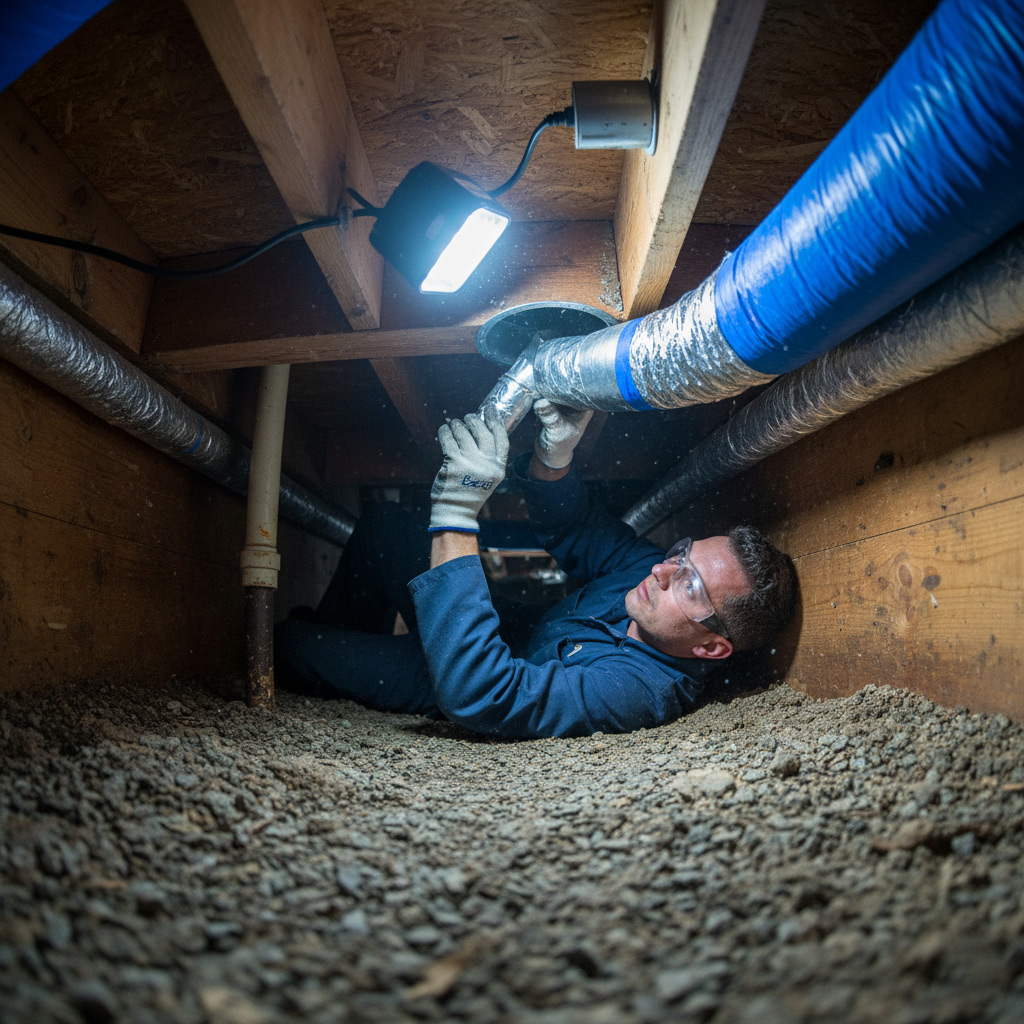
Understanding the "Untold Truth": Beyond the Immediate Fix
When your Newark home’s comfort system acts up, the first thought is always, "How much to fix it?" This is where many homeowners stumble, focusing solely on the immediate repair estimate. What they often miss is the bigger picture: the true cost of keeping a struggling system alive.
The "untold truth" isn't some secret formula; it’s a simple shift in perspective. It means looking past the symptom and understanding the underlying health of your HVAC unit. Are you fixing a flat tire on a car with a dying engine, or making a smart adjustment that will genuinely last?
Many local HVAC companies might offer a quick patch, and sure, it can feel like a win in the moment. But the real question is, what will that "win" cost you next month? Or next year? We're talking about more than just repair bills; we're talking about your consistent comfort, your energy bills, and your overall peace of mind. Don't get caught in the cycle of short-term fixes with long-term pain.
The Repair Trap: When Fixing Becomes a Financial Sinkhole
You’ve just paid another technician to fix that persistent hum, or perhaps replace a fan motor that finally gave out. The bill wasn’t enormous, so you breathe a sigh of relief. But here’s the harsh reality: each "small" repair on an aging system isn't an isolated event; it's a drip, drip, drip of your hard-earned cash down a financial drain.
Consider this: your system is already past its prime, working harder and burning more energy to deliver less comfort. Every repair is just a bandage, not a true fix. You’re patching holes in a rapidly decaying bucket, hoping it holds until the next breakdown – which, inevitably, always seems to come at the worst possible moment.
This is precisely where the "50% rule" often comes into play, a simple but powerful guideline. If the cost of a significant repair approaches or exceeds 50% of what a brand-new, modern HVAC unit would cost, you’re not actually saving money. You're merely delaying the inevitable replacement, all while sacrificing consistent comfort and absorbing higher energy bills from that unreliable old workhorse.
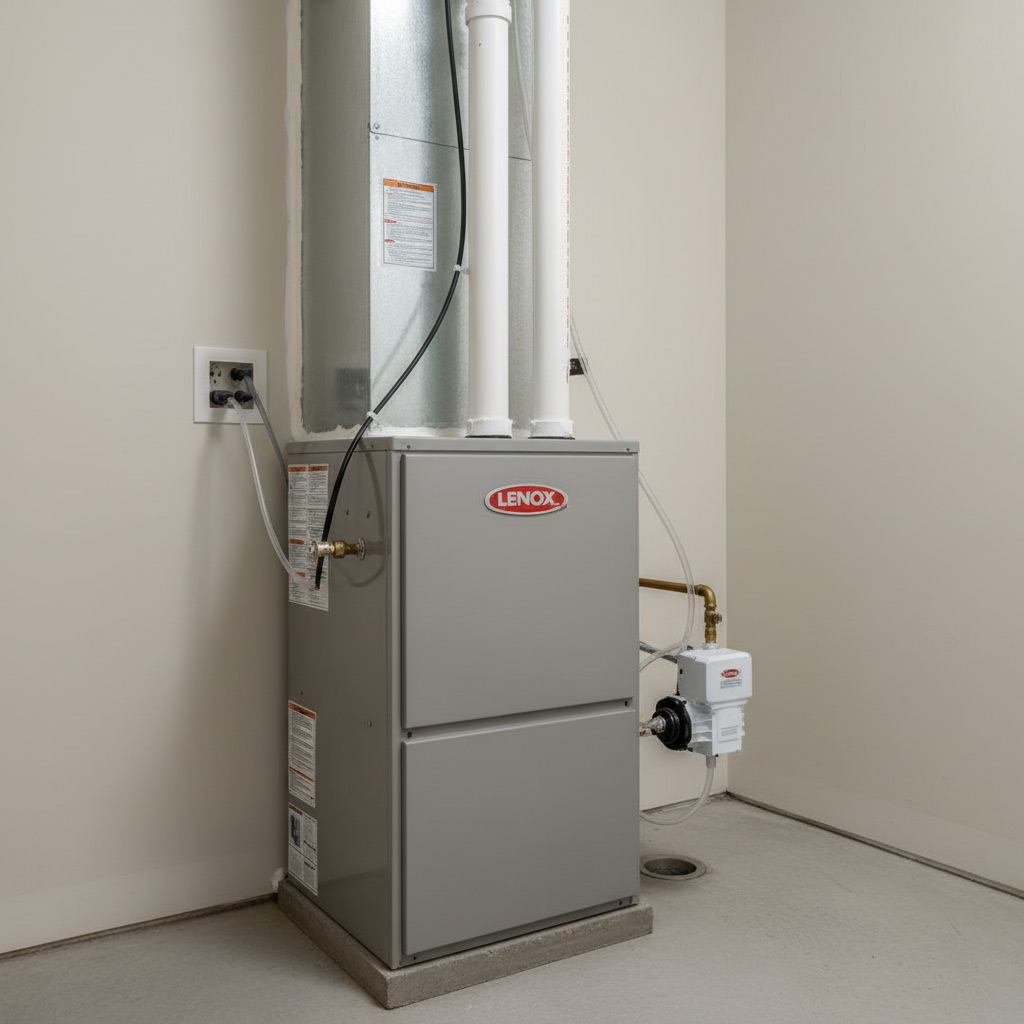
Key Indicators: Is Your Newark HVAC System Whispering "Goodbye"?
Your HVAC system doesn't send a formal resignation letter, but it definitely gives notice. Let's talk about the hard evidence. First, consider its age. Most furnaces and AC units, especially battling Newark's humid summers and freezing winters, are designed to last between 10 to 15 years.
If your system is creeping past that decade mark, you're living on borrowed time. The second undeniable signal? Frequent repair calls. Are you on a first-name basis with your HVAC technician? If you're patching up the same system multiple times a year, you’re not fixing it; you're just draining your bank account.
Beyond age and repair frequency, your system sends other, more subtle distress signals that homeowners often miss. Pay attention to these often-overlooked warning signs:
- Skyrocketing Utility Bills: Is your energy consumption inexplicably high? An aging, inefficient system has to work overtime, chewing through more power or gas just to maintain basic comfort.
- Inconsistent Comfort Zones: Are certain rooms freezing while others are stifling hot? This uneven heating or cooling isn't just annoying; it indicates your system can no longer properly distribute conditioned air.
- Strange Noises or Odors: Listen for grinding, clanking, hissing, or loud rattling. Any burning smells, musty odors, or gas-like scents are urgent warnings that demand immediate attention.
- Poor Indoor Air Quality: Excessive dust accumulation, persistent humidity issues, or unexplained allergy flare-ups within your home can be directly linked to a failing HVAC unit struggling to filter and dehumidify properly.
Ignoring these indicators won't make them disappear. In fact, it just guarantees more discomfort and higher costs down the road.
The Investment Angle: Unpacking the Long-Term Value of Replacement
The initial cost of a new HVAC system can feel like a punch to the gut. But here’s the brutal truth: that old, wheezing unit isn’t just breaking down; it’s quietly robbing you every single month. Modern systems, especially those with high SEER or AFUE ratings, slash your energy bills – often by 20% or more. Think about that money staying in your pocket, not going to PSE&G.
Beyond the energy drain, consider the constant drip-drip of repair costs. Each time a technician comes out to patch up a failing part, that’s cash out the door, adding up to hundreds, even thousands, over a few years. A new system comes with a fresh warranty, meaning fewer unexpected bills and total peace of mind for a decade or more. Plus, you get features like smart thermostats and zoning capabilities that were unheard of in your old unit.
It’s not just about stopping the bleeding; it’s about actively building value. A reliable, energy-efficient HVAC system makes your Newark home more comfortable, healthier, and frankly, more desirable. When you look at the total cost of ownership – energy savings, avoided repairs, improved air quality, and even potential resale value – the initial investment suddenly looks a whole lot smarter than endlessly patching up a money pit. It's about protecting your biggest asset.
Case Study: A Newark Family's Smart Switch to a New System
Meet the Riveras, a family right here in Newark's vibrant Ironbound section. For years, their aging furnace and AC unit were constant headaches. Every winter brought chilly spots, and summer meant a rattling AC barely cutting through the humidity. They’d called for repair after repair, patching up one problem only for another to pop up weeks later. These fixes chipped away at their budget, becoming a frustrating cycle.
Mrs. Rivera remembers the turning point vividly. "We paid for a major compressor repair just last year," she explained, "and then the fan motor quit a few months later. That's when we realized we were literally *funding* a dying system." They crunched the numbers, looking at past repair costs versus the potential for a new, reliable system. The choice became clear: continuing repairs was simply pouring cash into a black hole with no real return. They decided to make the smart switch.
The Riveras invested in a modern, energy-saving system. The difference was immediate and dramatic. Their home now enjoys consistent, quiet comfort year-round. No more surprise repair bills. More importantly, their monthly utility statements showed a significant drop. This wasn't just about a comfortable home; it was about reclaiming their peace of mind and securing genuine, long-term savings. It’s a perfect example of how sometimes, the slightly higher upfront cost of a replacement leads to massive wins down the road.
Making the Smart Decision: Your Personalized Action Plan for HVAC
You’ve seen the signs, understood the financial pitfalls, and heard the real stories. Now, it’s about putting that knowledge into action for your Newark home. Don't rush into a quick fix without a clear strategy. Start by honestly assessing your current situation, not just the immediate breakdown. Think about how long you plan to stay in your home, your monthly energy bills, and how much discomfort you've truly been putting up with.
Your Next Steps: Get the Facts
Once you’ve done your personal inventory, the absolute next move is to call in a trusted, local HVAC professional. This isn't just about getting a repair quote versus a replacement estimate; it’s about getting a comprehensive, unbiased assessment of your entire system. A good technician will:
- Inspect the age and overall condition of your unit, not just the broken part.
- Provide a clear breakdown of potential repair costs versus the remaining lifespan.
- Detail the available replacement options, including energy-efficient models that qualify for local rebates or incentives.
Armed with this expert insight and your personal priorities, you can then weigh the options. Remember, the goal is not the cheapest option today, but the smartest long-term investment for your comfort and bank account in Newark.
Final Words: Securing Your Comfort and Savings for Years to Come.
After dissecting the true costs and hidden pitfalls, it’s clear: making a snap decision based solely on a low repair quote can cost you dearly in the long run. Don't be fooled by the illusion of a quick fix. Your home’s comfort system is a significant investment, directly impacting your utility bills, health, and peace of mind.
The real "untold truth" isn't just about money; it’s about investing in consistent comfort, improved indoor air quality, and predictable energy costs for your family right here in Newark. You deserve more than a system constantly teetering on the brink of failure. It's time to take control.
So, when your HVAC starts showing its age, remember this guide. Get a thorough, honest assessment that details both repair costs and the undeniable advantages of a modern HVAC replacement. This isn't just about fixing a machine; it's about securing your sanctuary and ensuring truly smart spending on your home's most vital systems.
People Also Ask
When is it more cost-effective for Newark homeowners to replace their HVAC system rather than repair it?
It becomes more cost-effective to replace your HVAC system when repair costs exceed 50% of a new unit's price, or if your system is over 10-15 years old and frequently breaks down. Investing in a new, energy-efficient model often leads to significant long-term savings on utility bills and fewer unexpected repair expenses.What are the major red flags indicating my HVAC system in Newark is failing and needs replacement?
Major red flags include frequent breakdowns, unusually high energy bills without a change in usage, uneven heating or cooling throughout your home, and strange noises or foul odors emanating from the unit. These signs often point to a system struggling to perform and nearing the end of its functional life.Can replacing my old HVAC system in Newark significantly lower my energy bills?
Yes, absolutely. Modern HVAC systems are significantly more energy-efficient than units even 10 years old, often boasting higher SEER (Seasonal Energy Efficiency Ratio) and AFUE (Annual Fuel Utilization Efficiency) ratings. Upgrading can lead to a substantial reduction in your monthly energy consumption and utility costs, especially during Newark's peak heating and cooling seasons.How do I decide between a frequent, costly repair and a complete HVAC replacement in Newark?
Consider the "50% rule" – if the repair cost is more than 50% of the price of a new system, replacement is generally the smarter choice. Also, factor in your system's age and its efficiency; consistently pouring money into an old, inefficient unit provides short-term fixes but not long-term comfort or savings.What's the typical lifespan of an HVAC system in the Newark area, and how does age factor into replacement?
In the Newark climate, a well-maintained HVAC system typically lasts between 10 to 15 years for air conditioners and 15 to 20 years for furnaces. Once your system approaches or exceeds these age ranges, its efficiency decreases, and the likelihood of costly repairs increases, making replacement a more prudent investment.
Newark HVAC offers seasoned expertise in heating and cooling solutions, serving the local community with dedicated service. Their team possesses extensive experience in addressing the specific climate needs of Newark, NJ. They are committed to ensuring reliable indoor comfort for homes and businesses.
Need HVAC?
Experience rapid resolution and impactful results with our expedited services throughout Newark, NJ and nearby areas.
Get Instant Estimate