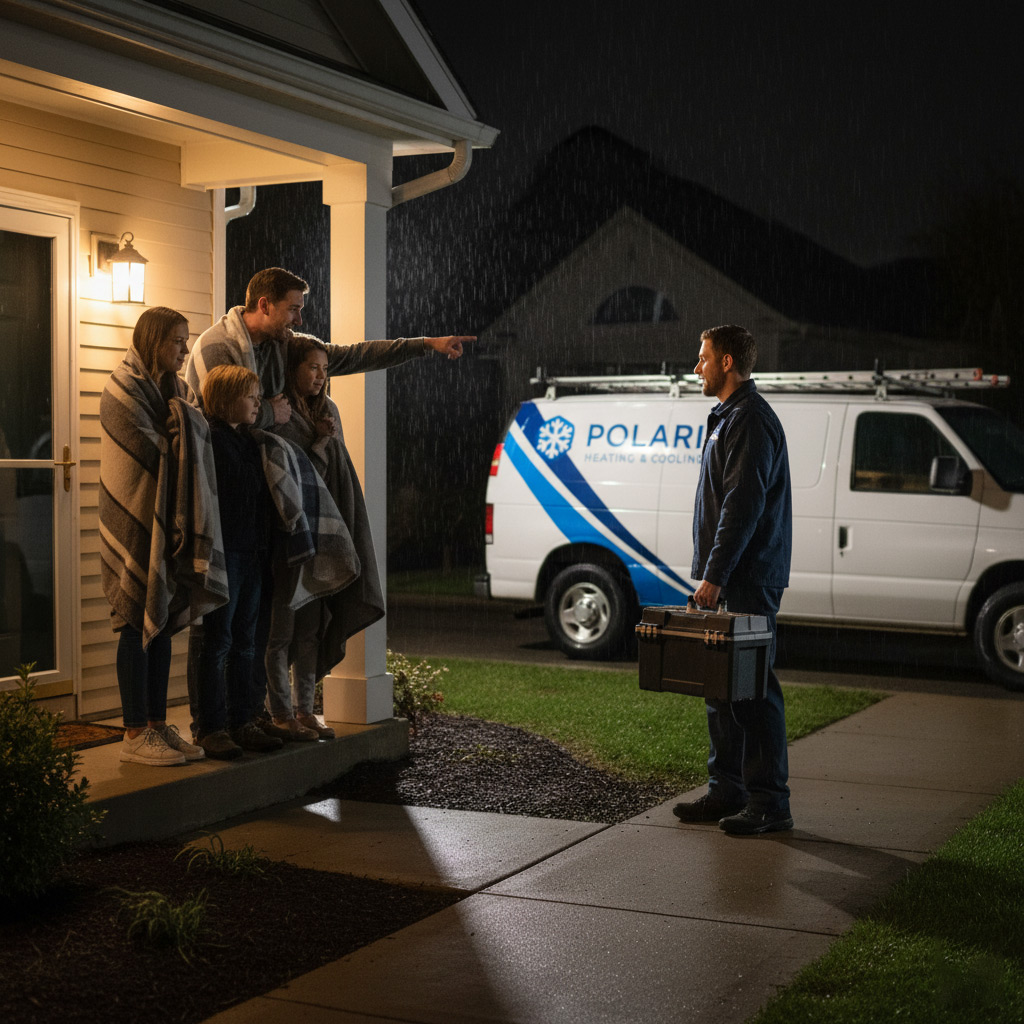
Picture this: A brutal Newark winter blast. Your old furnace finally kicks the bucket. Now you're facing a new gas furnace installation, a decision that could mean the difference between cozy warmth or endless headaches and a busted budget for years to come.
Many homeowners just cross their fingers and hope for the best, trusting whoever their neighbor recommended. But what if that trust is misplaced? A shoddy install isn't just uncomfortable; it can drain your wallet with sky-high utility bills, compromise your family's safety, or even void your warranty before the first bill arrives.
That's why we put together this no-nonsense guide. We’re pulling back the curtain on everything you absolutely must know to get your Newark gas furnace installed perfectly, the first time around.
Forget the guesswork and costly blunders; let's get you empowered with the insider knowledge to make sure your home stays safe, warm, and efficient all season long.
Beyond the Box: Why Proper Furnace Sizing & Selection is Your First Critical Step
Before any wrench even touches a pipe in your Newark home, you face the most critical decision: which furnace is right for you? Many folks make a huge mistake right here, assuming a new furnace should be the same size as the old one, or just picking a model based on what looks good online. That’s like buying shoes without knowing your size; it’s a setup for discomfort and trouble.
An improperly sized furnace guarantees problems. If it’s too big, it will constantly cycle on and off (we call this “short cycling”), failing to properly dehumidify your home and wasting enormous amounts of fuel. Too small, and your house will never truly get warm during those biting Newark blizzards, with the unit running non-stop, driving up bills and wearing itself out fast.
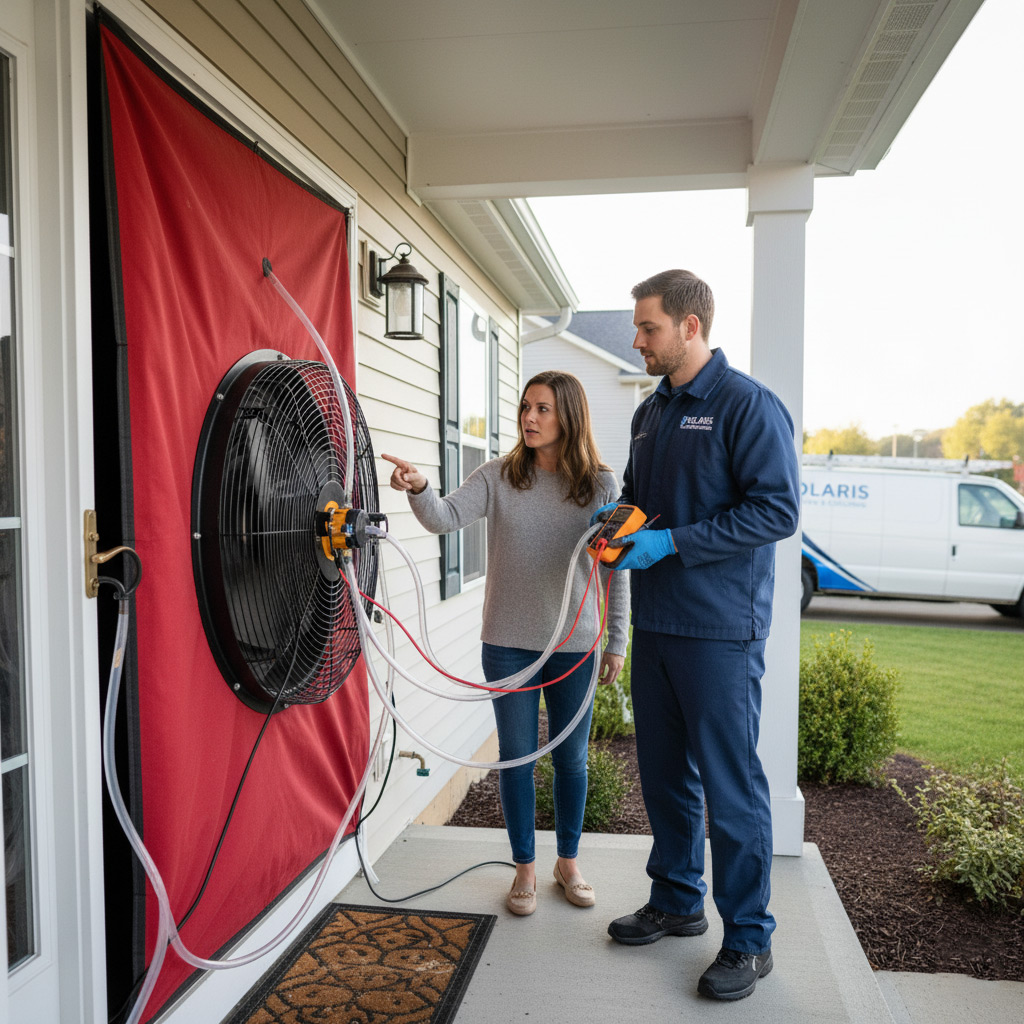
This is where a professional load calculation comes in, specifically a Manual J assessment. This isn’t guesswork; it’s a detailed blueprint considering your home’s unique insulation, windows, doors, and even its orientation. Only with this precise data can you select a furnace that delivers perfect, consistent warmth, without unnecessary expenses or premature wear.
Hiring Right: How to Vet Newark HVAC Contractors (Don't Get Burned!)
You’ve seen the ads, maybe gotten a few flyers. Every HVAC guy in Newark claims to be the best. But here’s the cold, hard truth: not all contractors are created equal. Picking the wrong one for your gas furnace installation is like betting your winter comfort on a coin toss – and trust me, you usually lose.
This isn't just about a slightly chilly house; it's about your bank account, your family’s safety, and the lifespan of a major home investment. A cheap, rushed install often means an expensive headache later, leaving you with poor heating, higher bills, or even dangerous gas leaks.
What to Demand from Your Newark Furnace Installer
So, how do you separate the pros from the pretenders? Start with the absolute basics. Any legitimate Newark HVAC contractor must be licensed and insured. Ask for proof – don’t just take their word for it. This isn't being difficult; it's protecting yourself from fly-by-night operators who could leave you with a damaged home and zero recourse.
Beyond licensing, dig deeper. Your goal is to find someone who understands Newark homes, who’s done this a thousand times before, and who stands by their work. Here’s what you absolutely need to check:
- Experience & Reputation: How long have they been serving the Newark area? Check online reviews on Google, Yelp, and the Better Business Bureau. Look for consistent positive feedback – and how they respond to the negative.
- Written Estimates: Demand a detailed, written estimate outlining everything: equipment cost, labor, permit fees, and warranty information. There should be no hidden charges, and no "we'll figure it out later" conversations.
- References: A reputable contractor won’t hesitate to provide references from satisfied customers in your area. Make the calls! Ask about their experience, professionalism, and follow-through.
- Warranty & Guarantees: What kind of warranty do they offer on their labor? What are the manufacturer warranties on the furnace itself? Make sure you understand these details before anyone touches your system.
Remember, the cheapest bid often ends up being the most expensive mistake. Invest a little time now to avoid major headaches and costly repairs down the line.
The Install Day: A Step-by-Step Breakdown of a Flawless Newark Furnace Installation
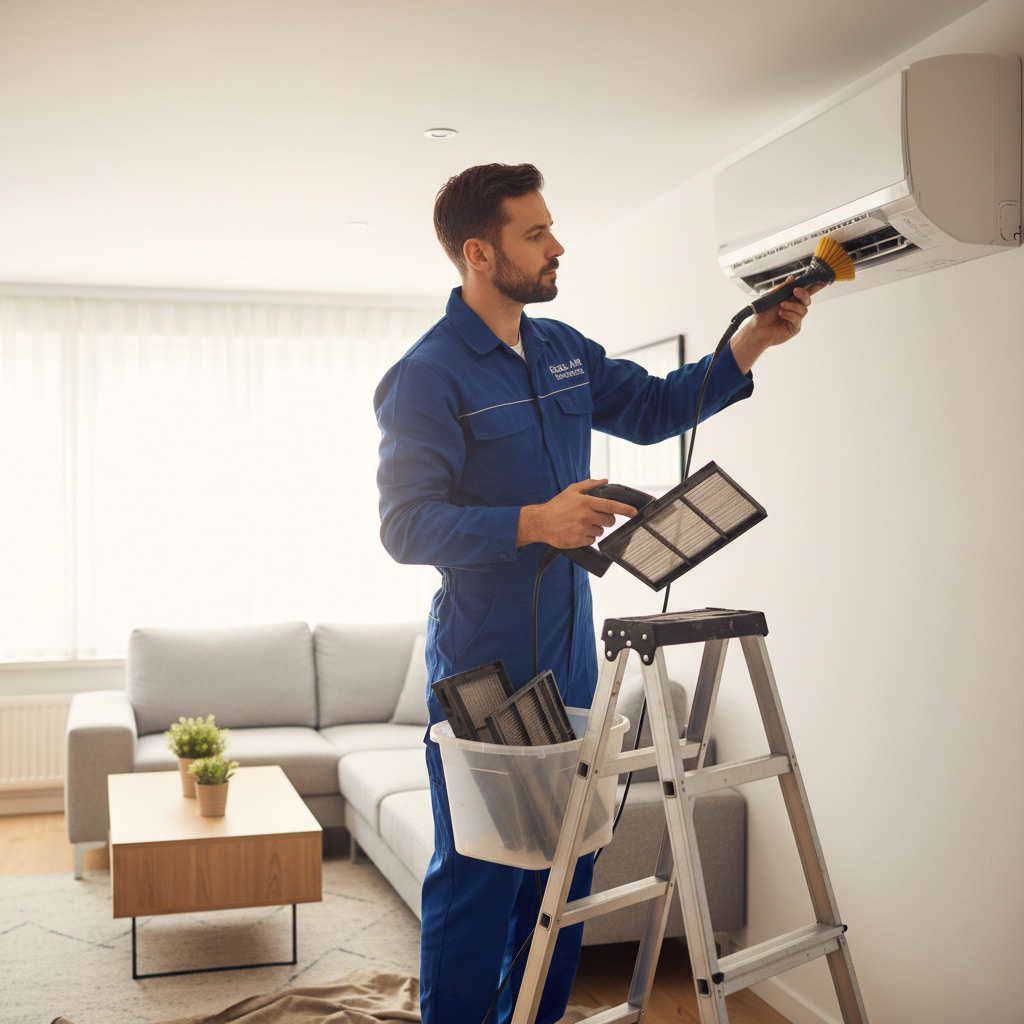
The big day arrives! Expect your certified Newark HVAC team to show up on schedule, ready to protect your home. They'll lay down drop cloths and wear shoe covers, treating your property with the respect it deserves. Before any heavy lifting, they’ll confirm the new furnace model and specifications match your initial agreement, ensuring no last-minute surprises.
Next comes the careful process of removing your old furnace. This includes safely disconnecting gas lines, electrical wiring, and exhaust vents, always prioritizing safety. Once the old unit is out, your new gas furnace will be precisely maneuvered into its designated spot. This isn't just about placement; it's about ensuring proper clearances for service and airflow, then expertly connecting it to your existing ductwork with airtight seals – crucial for preventing energy loss and maintaining comfort.
With the physical placement done, the real precision work begins. This involves connecting the new gas line, electrical supply, and the crucial venting system according to strict Newark codes and manufacturer specifications. Every connection is then rigorously tested for leaks (gas and CO) and electrical integrity. Finally, the system powers up. Your technicians will calibrate it, confirm proper airflow, and check the temperature rise. They’ll also walk you through your new thermostat and answer any questions, leaving your home spotless and your family ready for lasting warmth.
After the Install: Essential Post-Installation Checks for Safety & Efficiency in Your Newark Home
Immediate Safety First: Don't Skimp Here
The installers just left. Before you kick back, this is your absolute first priority. You need to verify crucial safety elements yourself, because assuming everything’s perfect can lead to serious trouble. Don't gamble with your family's well-being.
-
Carbon Monoxide Detectors: Are they active and properly placed, especially on every floor where people sleep? A new furnace installation can sometimes stir up old dust or fumes, so these devices are non-negotiable life savers.
-
Gas Odor Check: Take a deep breath near the furnace. Do you smell anything like rotten eggs or sulfur? Even a faint whiff means something is dangerously wrong. Do not ignore this. If you detect it, exit your home immediately and call your gas provider from a safe distance.
-
Ventilation: Visually inspect the vent pipe leading from your furnace. It must be securely connected and venting combustion gases safely outside. Look for any gaps, blockages, or signs of improper sealing.
Performance & Documentation: What to Watch For
Once you’ve cleared the immediate safety hurdles, it’s time to confirm your new furnace is actually delivering the comfort and savings it promised. This means actively paying attention to how it operates and demanding the proof of a professional job.
-
Thermostat Test: Set your thermostat a few degrees higher than the current room temperature. Does the furnace kick on promptly? Does warm air begin flowing consistently and strongly from all vents?
-
Listen Closely: A newly installed furnace should run relatively quietly. Listen for any persistent banging, grinding, or whistling sounds. While minor settling noises are normal, anything loud or continuous is a clear sign of a potential issue that needs addressing.
-
Airflow Check: Place your hand over a few different registers in various rooms. The airflow should feel robust and steady, indicating proper ductwork connection and fan operation throughout your home.
Your Protection: The Essential Paperwork
Finally, confirm you have all your vital documents in hand before the installers completely vanish. This isn't just bureaucratic red tape; it's your long-term shield against future problems, warranty denials, and unexpected costs.
-
Warranty & Manuals: Ensure you receive the official manufacturer's warranty registration information and the complete owner's manual. Without these, you'll struggle with future claims or understanding proper maintenance schedules.
-
Detailed Invoice/Installation Checklist: Get a detailed invoice outlining all work performed, specific materials used, and the exact furnace model installed. This serves as undeniable proof you got what you paid for and is often required for warranty validity.
Common Newark Gas Furnace Installation Mistakes & How to Spot Them (Before It's Too Late)
Listen up: The biggest money drain after a furnace install isn't the unit itself; it's improper sizing. An oversized furnace will constantly short-cycle, wasting gas and putting unnecessary wear and tear on components. If the contractor didn't perform a Manual J load calculation specific to your Newark home—considering insulation, windows, and square footage—they skipped the most critical step.
This shortcut means you paid for more furnace than you needed, leading directly to higher bills and uneven heating—hot spots and cold zones—even in brand-new systems. Always confirm that sizing calculations were the basis of the install, not just an estimate based on the old unit's rating.
Flue and Ventilation Blunders
Gas furnaces require precise venting to safely expel dangerous carbon monoxide. We often see installers cut corners on flue materials or improperly slope the vent pipe. This isn't just inefficient; it’s a severe safety hazard that puts your family at risk.
If you see thin, single-walled metal flue pipe on a new, high-efficiency condensing furnace, that’s a massive red flag; these systems demand specific PVC. Also, check that the exhaust pipe doesn't restrict flow or terminate too close to windows or other fresh air intakes, a common violation of local Newark building code.
The Hidden Wiring & Gas Line Gotchas
The furnace needs clean power and reliable gas supply to run correctly. A frequent operational mistake is reusing old, undersized gas piping or failing to install a necessary sediment trap, sometimes called a drip leg. These simple oversights can compromise the burner's performance and shorten the furnace’s lifespan by introducing debris.
Furthermore, poor electrical connections cause intermittent faults. All wiring should be neat, secured, and properly grounded. Here are quick checks you can make right after the installer leaves to ensure peace of mind:
- Inspect the gas pipe: Is there a manual shut-off valve and a sediment trap installed near the unit?
- Check the filter access panel: Did they leave a temporary construction filter in place? It must be replaced with the proper permanent filter before operation.
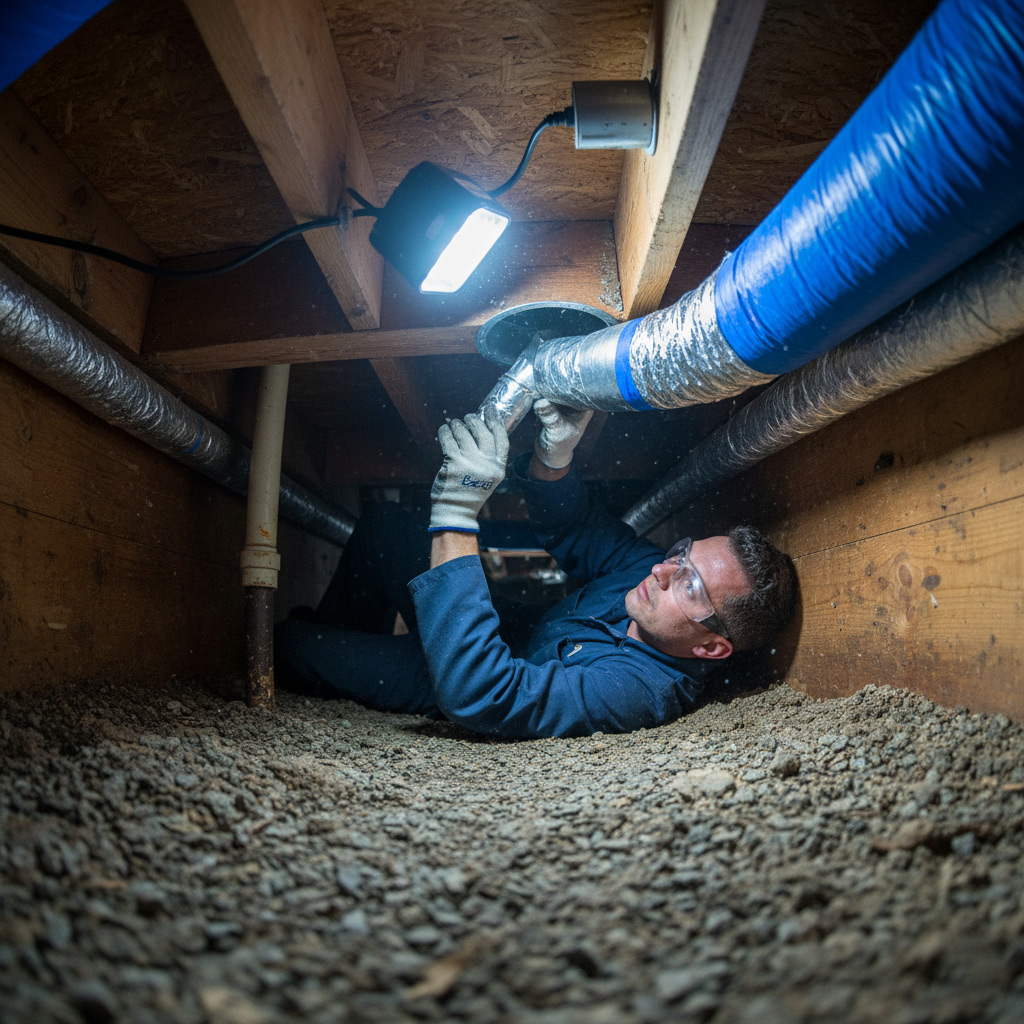
- Look for duct connection gaps: All joints connecting the furnace to the main plenum should be sealed tightly with mastic or metal tape to prevent heat loss into your basement or attic.
Newark Success Story: Restoring Comfort & Efficiency with a Precision Furnace Install
Consider the Rossi family, right here in the Ironbound section of Newark. They called us last winter, absolutely fed up with their old, noisy furnace. It was constantly cycling, their heating bills were insane, and some rooms felt like a freezer while others were roasting. They’d heard enough horror stories about quick-fix installs to make them nervous.
After a thorough home assessment and careful discussion about their needs and budget, we recommended a modern, high-efficiency gas furnace. Our team executed a precision installation, ensuring every duct connection was sealed, the unit was perfectly sized, and all safety protocols were met. We didn't just swap out a box; we engineered a heating solution for their unique home.
The results? Mrs. Rossi reported feeling an instant difference. Their home became *consistently* warm, the loud banging noises vanished, and their very next utility bill showed a significant drop – nearly 30% less than the previous year. They finally had the lasting warmth and peace of mind they deserved, all thanks to an install done right, the first time.
Final Words: Your Path to Lasting Warmth and Peace of Mind.
You’ve reached the end of this guide, but this isn't the finish line; it's your starting block. A new gas furnace isn't just an appliance purchase; it's a critical investment in your home's comfort, your family's safety, and your financial well-being for the next decade or more. Don't let anyone convince you otherwise.
We've peeled back the layers, showing you exactly why a precise installation makes all the difference. From accurate sizing to rigorous post-install checks, every step contributes to a system that performs flawlessly. This isn't just about getting heat; it’s about getting reliable, efficient, and safe heat, every single day.
Armed with this knowledge, you're now empowered. You know what to ask, what to look for, and how to ensure your gas furnace installation in Newark isn't just adequate, but truly exceptional. Make the smart choice, demand the best, and secure that lasting warmth and genuine peace of mind you deserve.
People Also Ask
Why is proper furnace sizing crucial for my Newark home?
Proper furnace sizing ensures your system operates efficiently, providing consistent comfort without excessive energy bills. An improperly sized unit will either short-cycle, leading to uneven heating and premature wear, or run too long, wasting energy and failing to adequately dehumidify.How do I choose a qualified HVAC contractor for gas furnace installation in Newark?
Look for contractors with proper licensing, insurance, strong local references, and extensive experience specifically with gas furnace installations in the Newark area. Always request detailed quotes, check for relevant certifications, and read customer reviews to ensure reliability and expertise.What are the essential checks after a gas furnace installation in a Newark home?
After installation, confirm proper thermostat functionality, check for any gas leaks, ensure adequate airflow from all vents, and verify the unit runs quietly and without unusual odors. A professional contractor should walk you through these checks and explain the system's operation and future maintenance.What are common gas furnace installation mistakes I should watch out for in Newark?
Common mistakes include incorrect furnace sizing, improper ventilation, faulty gas line connections, and inadequate ductwork sealing. These issues can lead to significant safety hazards, reduced energy efficiency, and premature system failure, making professional installation paramount.
Newark HVAC delivers reliable heating and cooling expertise to the Newark, NJ area. With years of experience, they provide tailored solutions for local residential and commercial properties. Their focus remains on ensuring efficient and comfortable indoor environments for the community.
Need HVAC?
Experience rapid resolution and impactful results with our expedited services throughout Newark, NJ and nearby areas.
Get Instant Estimate